In today’s crowded ecommerce landscape, capturing SEO traffic isn’t a nice-to-have—it’s a must-have for profitable, scalable growth. With paid media becoming more volatile and less predictable due to rising costs and privacy changes, SEO traffic offers a sustainable, high-intent acquisition channel with compounding returns.
For DTC brands and ecommerce marketers, this shift represents both a challenge and an opportunity. When properly integrated with performance marketing strategies, SEO traffic can reduce customer acquisition costs (CAC), improve return on ad spend (ROAS), and drive long-tail visibility that keeps converting without ongoing spend.
Let’s explore how performance-oriented teams can unlock smarter, data-driven growth by making SEO traffic part of their core strategy.
Why SEO Traffic Matters More Than Ever
SEO traffic refers to visitors who arrive on your site through unpaid, organic search engine results. These users have already signaled intent by searching a keyword or phrase closely related to your offering. This makes SEO traffic a high-conversion opportunity that doesn't rely on increasing ad spend.
Here’s why ecommerce teams can’t afford to ignore SEO:
- SEO traffic compounds over time, unlike paid media
- It captures buyer intent across all funnel stages
- It reduces reliance on third-party data and tracking
- It informs performance strategies with real language from real users
In a recent industry report, 60% of marketers cited SEO as their highest-quality source of leads. And unlike channels where attention is fleeting, organic search is where customer intent lives.
Who Should Own SEO Traffic in High-Growth Ecommerce Teams
Effective SEO doesn’t belong to one department—it requires cross-functional ownership. But without clear leadership, it often falls into silos and loses visibility at the strategic level.
Here’s how leading ecommerce brands handle it:
- CMOs and Growth Leads: Drive the strategic alignment between SEO traffic and margin-efficient growth
- Performance Marketers: Use SEO intel to improve paid targeting and refine CAC strategies
- Content & Organic Teams: Execute tactically, informed by performance data
- Product Teams: Ensure technical SEO and site UX support search discoverability
When SEO data is shared across these functions, the impact is exponential. Brands that treat SEO as a performance channel—not just an editorial function—see better ROAS, stronger customer journeys, and more stable contribution margins.
How to Start Driving SEO Traffic Strategically
Optimizing for SEO traffic starts with aligning organic goals to business outcomes. Instead of ranking for top keywords with no commercial value, focus on impact metrics:
- Organic revenue per session
- Conversion rate from SEO traffic
- Assisted conversions across paid touchpoints
Here’s a step-by-step approach to get going:
- Audit your site: Spot gaps in high-intent content and underperforming category or product pages
- Prioritize with data: Use tools like GA4, Ahrefs, and Search Console to track traffic potential
- Map content to the funnel: Create TOFU to BOFU content aligned with purchase intent
- Structure for performance: Implement internal linking, technical SEO, and schema markup
- Test and iterate: Treat SEO strategies like any paid channel—test, learn, and optimize
For brands with thousands of SKUs, programmatic SEO can accelerate scale. But success depends on strong site taxonomy, clean data structures, and rigorous testing to avoid cannibalization.
When to Prioritize SEO Traffic for Maximum Results
The compounding nature of SEO traffic means timing is critical. Unlike paid channels, SEO takes time to ramp up—usually 3 to 6 months. That’s why top-performing DTC brands plan their SEO strategies well ahead of key revenue periods.
To get the most out of your efforts:
- Begin SEO campaigns 3–6 months before major sales periods (e.g. Black Friday, holiday launches)
- Sync SEO content plans with your campaign calendar
- Use first-party data to align SEO topics with behavioral insights
- Monitor keyword trends and seasonal demand shifts
This early activation pays off by increasing pre-peak visibility and feeding top-performing paid channels with audiences warmed through organic journeys.
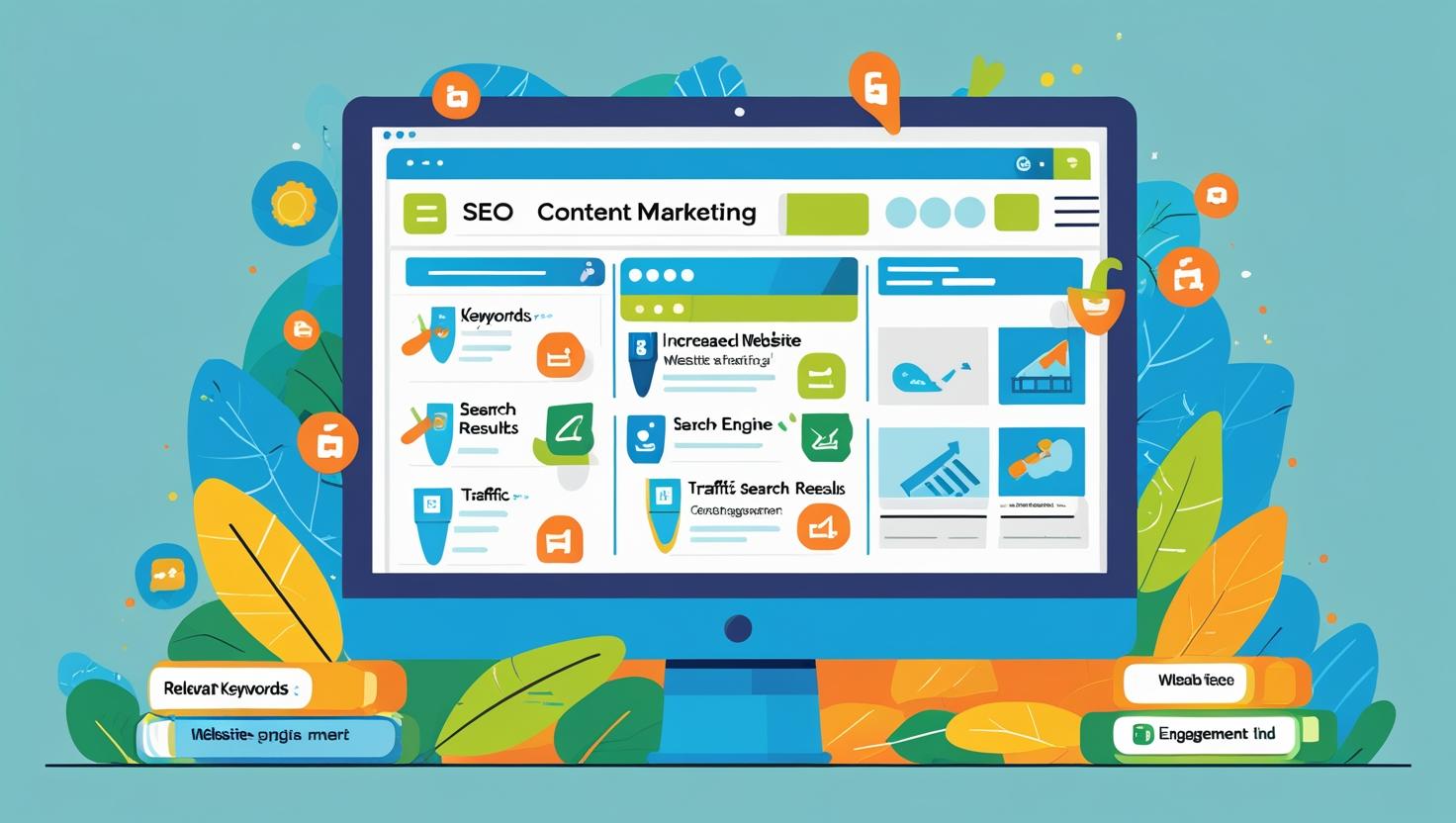
Making SEO Traffic Part of Your Growth Engine
SEO traffic isn’t a silo—it’s a strategic growth lever. When treated with the same rigor as performance marketing, it can:
- Lower cost per acquisition
- Improve LTV through more relevant journeys
- Increase brand trust through educational discovery
To drive results, unify your SEO and performance channels under shared KPIs. Brands doing this well use SEO insights to shape:
- UGC and influencer messaging
- Meta and TikTok ad creatives
- Email segmentation and personalization
The result? A loop of insight and iteration that drives margin-efficient growth across touchpoints.
How Admetrics Unlocks Better SEO Traffic Through Smarter Attribution
Admetrics enables marketing teams to fully understand the business impact of SEO traffic. Our multi-touch attribution platform, powered by AI, moves beyond last-click assumptions to reveal SEO’s real role in revenue.
With Admetrics, you can:
- Measure how SEO primes conversion across paid and owned channels
- See the attribution lift of organic visibility on ROAS and CAC
- Use predictive analytics to optimize content at every stage of the funnel
This clarity allows decision-makers to allocate budget more effectively, optimize faster, and derive more value from their entire marketing approach.
Ready to turn your SEO traffic into a driver of profitability? Book a demo with Admetrics and get attribution insights tailored to your brand.
FAQs About Driving and Scaling SEO Traffic
What is SEO traffic?
SEO traffic refers to visitors who land on your ecommerce site through unpaid search engine results.
Why is SEO traffic important for ecommerce?
It brings in high-intent users without ongoing spend, making it a cost-effective long-term growth driver.
How long does it take to see SEO traffic results?
Typically 3 to 6 months, depending on competition, site health, and content strategy.
What factors impact SEO traffic the most?
Content quality, keyword relevance, backlinks, technical SEO, and user experience all contribute.
How do I measure the value of SEO traffic?
Monitor KPIs like conversion rate, average order value, and assisted revenue in your attribution model.
Can SEO traffic fully replace paid media?
No, but it significantly reduces reliance on paid channels, enhancing ROAS and driving sustainable growth.
When should I prioritize SEO work?
Start 3–6 months before major launches or seasonal campaigns to allow indexing and content ramp-up.
What types of content perform best for SEO traffic?
How-tos, buying guides, and optimized category pages often drive the most qualified organic visits.
How does technical SEO affect traffic?
If your site isn’t fast, mobile-friendly, and crawlable, even great content won’t rank or convert well.
Is investing in SEO worth it for DTC brands?
Yes, it builds durable digital equity, lowers CAC, and enhances performance marketing returns over time.
How does SEO traffic support omnichannel performance?
Organic discovery strengthens performance on social, retargeting, and email through intent-driven audiences.
Are SEO results at risk from Google algorithm changes?
Yes, but brands with adaptive SEO strategies and quality content tend to weather updates better.
Why do high-growth ecommerce teams value SEO traffic?
Because it delivers long-term results, supports paid efficiency, and helps build lasting customer relationships.